







Search Results for: coffee oil
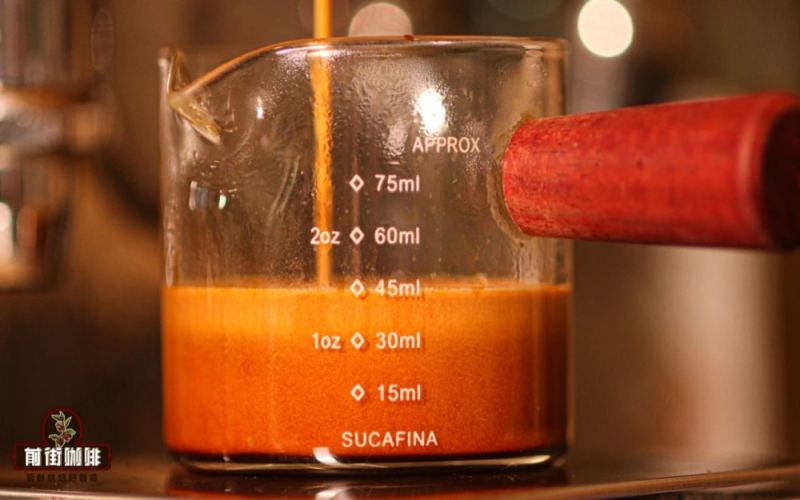
Coffee Crema | Does more crema in espresso mean better coffee bean quality? Recommended high-value specialty coffee beans with rich crema for moka pots and espresso machines
Some people believe that oils are an indispensable part of coffee flavor, but they also express concern about the health risks posed by these coffee oils. Today, Front Street Coffee is here to give everyone a proper explanation of what the crema in espresso actually is, and whether it has any impact on our health. Is "coffee beans with more oil" really good [more…]
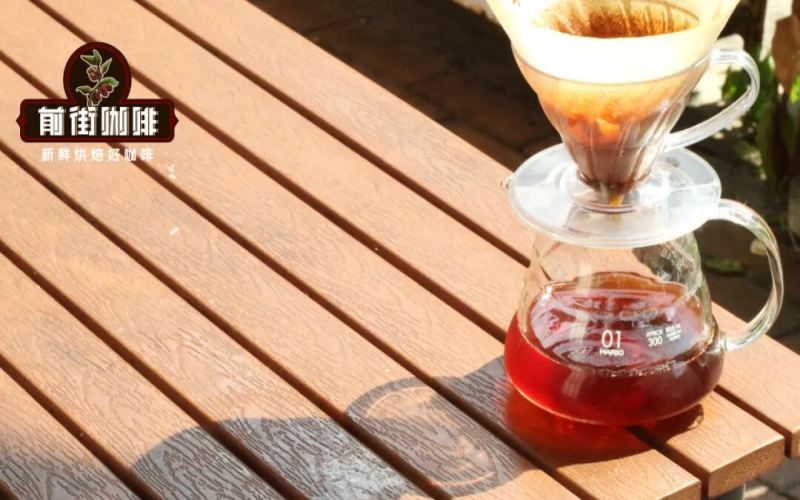
Cold Brew Coffee | What Factors Affect the Taste of Cold Brew? What Is the Layer of Oil on Top of Cold Brew? Why Does Oil Appear in Cold Brew?
Experienced folks know that many factors affect the taste of cold brew coffee. Among them, the most influential are the choice of coffee beans, grind size, coffee-to-water ratio, and steeping time; next are some small brewing techniques, such as thorough stirring, ensuring the container is clean, water quality, and so on. These will more or less change the co [more…]
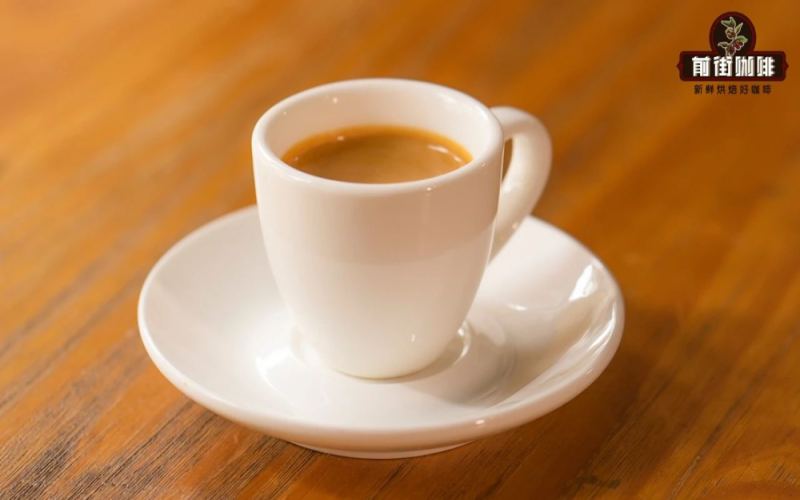
What Is Coffee Crema Made Of? | Why Does Espresso Have Crema? What Factors Affect the Richness of Espresso Crema?
Just a few days ago, a customer came to Front Street Coffee's store in Dongshankou, Guangzhou to drink espresso, and before leaving said, "I really love your espresso, the crema is the richest I've ever seen!" It happened that a friend also asked Front Street about that espresso. [more…]
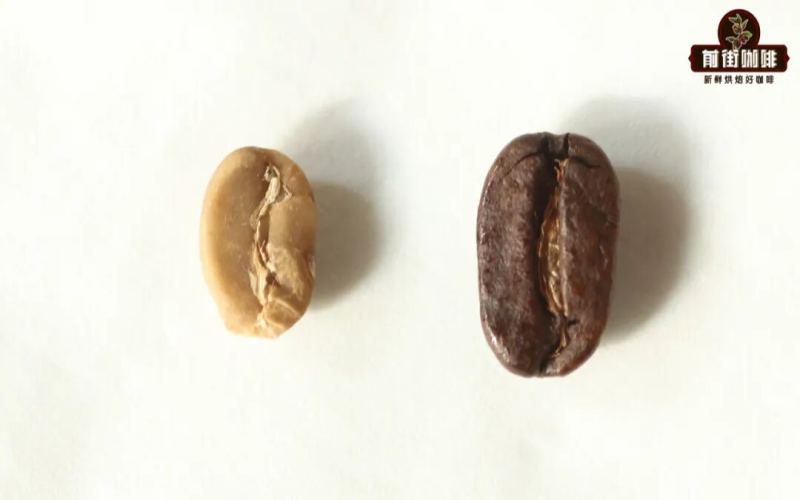
Coffee Bean Oil Release | What factors cause roasted coffee beans to become oily? Does coffee bean oil release mean poor coffee quality?
If you often buy beans and brew them at home, you've probably noticed that some coffee beans start to show oil on their surface after sitting for a while. Other beans, no matter how long they're stored, still look dry on the surface. This leads to a rather interesting phenomenon: some people believe that coffee beans [more…]
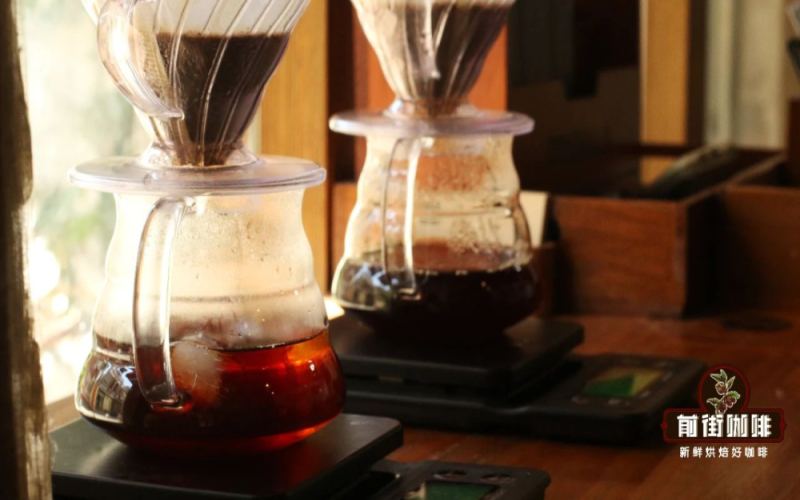
French Press Usage Tips | How Many Coffee Beans to Use for French Press Coffee? How Much Coffee Grounds to Put in a French Press? Does French Press Coffee Have a Lot of Oil?
Coffee is becoming more and more popular, and there are all kinds of brewing methods. However, when you're busy, you might feel you don't have time for a pour-over, and even an espresso seems to take too long. In that case, using a lazy person's pot to make a cup of coffee might be a pretty good choice! French press coffee and pour-over coffee [more…]
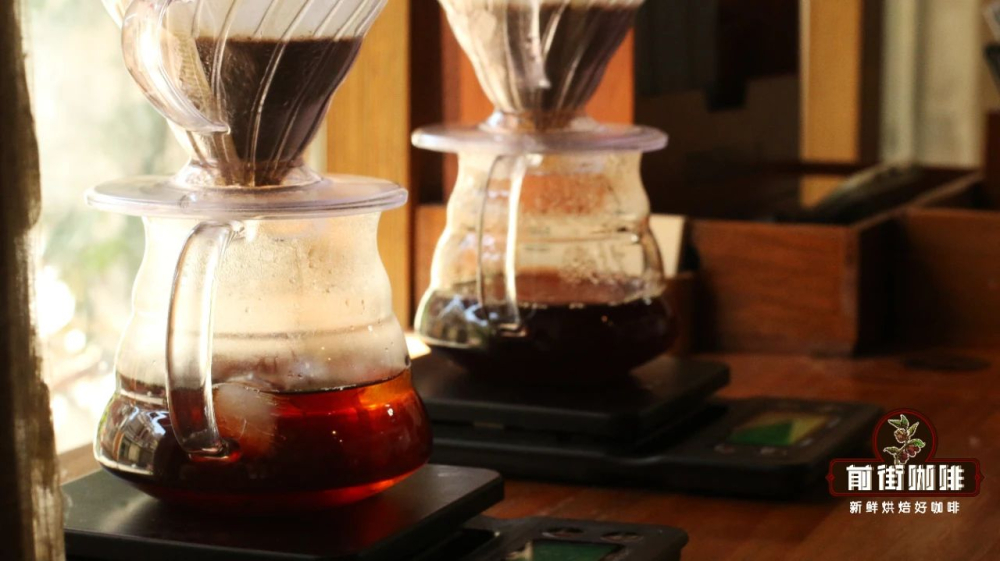
French Press Coffee | What coffee beans are suitable for French press brewing? Does French press coffee have a lot of oils? How much coffee grounds, water, water temperature, and steeping time for a French press?
For more specialty coffee knowledge, please follow: Front Street Coffee (Frontsteet Coffee). Coffee is becoming more and more popular, and there are all kinds of brewing methods. However, when you're busy, you might feel you don't have time for a pour-over, and if you want an espresso, it seems you don't have much time either. So in this [more…]
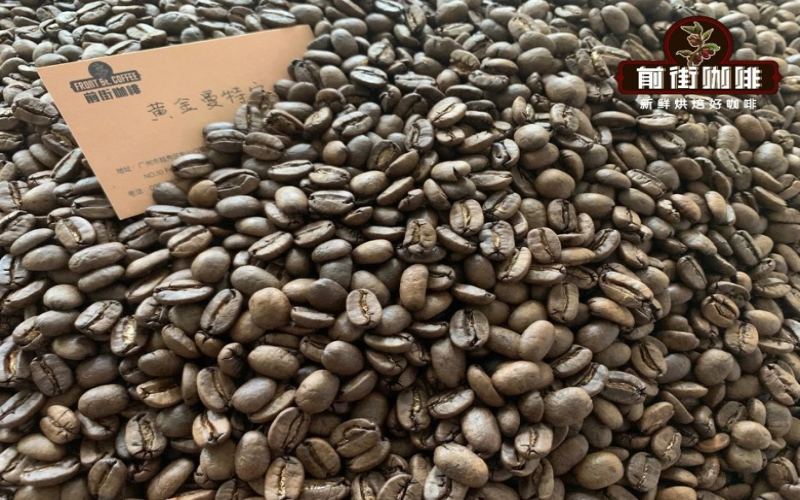
The Richness of Dark Roast Coffee: Balancing Oils, Caramel, and Mouthfeel
The charm of dark roast coffee lies in its steady, full-bodied richness. Many people use "heavy" and "smooth" to describe it—this mouthfeel is not a one-dimensional bitterness, but a balance woven from caramel sweetness, bitterness, and an oily richness. Once you understand where the richness of dark roast beans comes from, drinking it becomes even more enjoyable. The foundation of richness [more…]
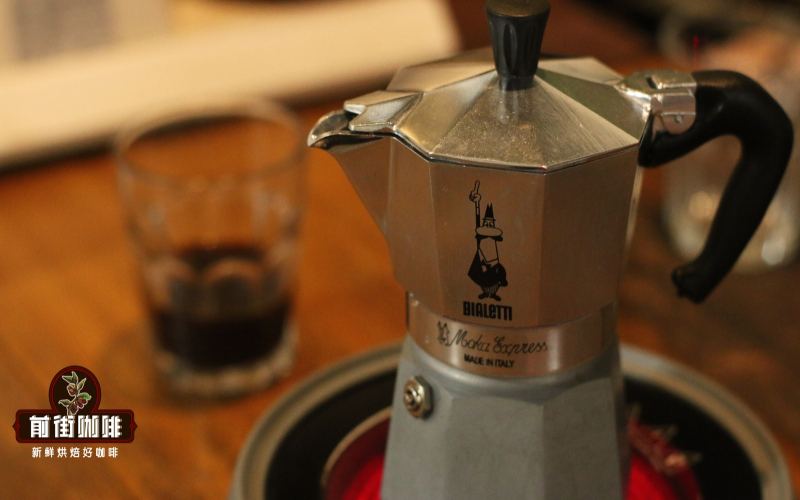
Why dark roast beans are the classic pairing for a moka pot
More and more people are brewing coffee with a moka pot, but many get stuck at the very first step: what beans should they actually use? The answer is actually quite clear—the moka pot and dark-roasted or medium-dark-roasted, full-bodied beans are a match made in heaven. Why is that? The moka pot extracts coffee through steam pressure, producing a brew with high concentration and a heavy mouthfeel, while dark-roasted beans [more…]

Pour-Over Coffee Beginner's Guide | How Should Coffee Newbies Choose Coffee Filters? How Do You Use Coffee Filters? What Types of Coffee Filters Are There?
For professional coffee knowledge exchange and more coffee bean information, please follow FrontStreet Coffee. How to choose coffee filter paper? How to use coffee filter paper? What types of coffee filter paper are there? Many enthusiasts buy their own coffee beans, use a grinder, and purchase equipment to brew coffee, all [more…]
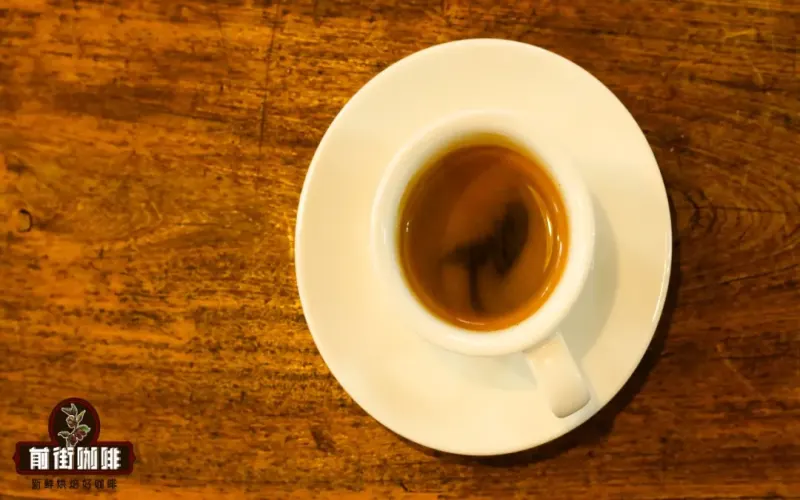
Espresso Crema Extraction Techniques | Is Coffee Crema Actually Oil? How to Make Espresso Black Coffee with Crema Using an Espresso Machine or Moka Pot?
A while back, when Front Street Coffee was tinkering with a moka pot in the shop, a friend saw that the moka pot coffee Front Street brewed had a very thick layer of crema, so they asked Front Street for the secret to brewing such thick crema, because the moka pot coffee they brewed at home had very thin crema. The same situation often occurs with espresso machine users as well. [more…]
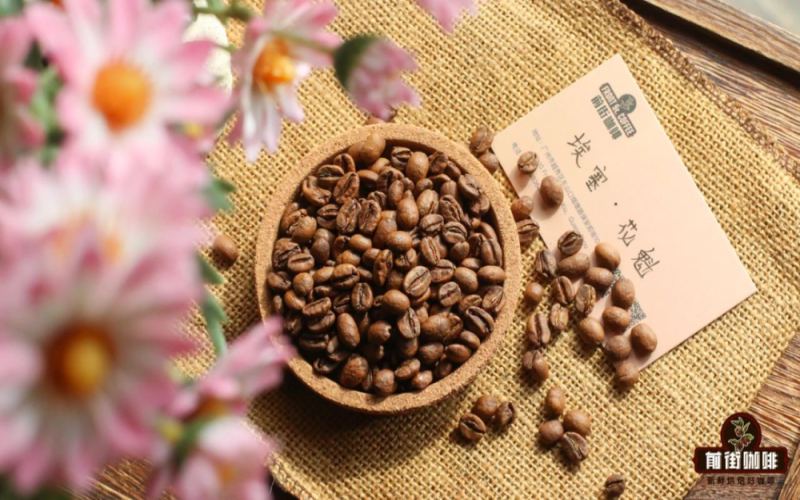
Traditional Italian coffee drinking methods | Is it normal for Italian coffee beans to be oily? Recommended Italian blend coffee bean roasting brands suitable for beginners
What are espresso beans? Espresso beans are geared toward use with espresso machines, with the goal of making delicious espresso. For the sake of consistency, beans from more than two origins are usually blended, so that every extraction can be controlled, thereby balancing the flavors of Americano and latte. There are many coffee beans on the market. [more…]

History of the Origins of Espresso | How Do You Make Italian Espresso with Golden Crema? What Flavor Characteristics Does Espresso Have?
The term "Espresso" originates from the Italian word "Express," meaning "fast." This also indicates that espresso is a product that can be produced quickly. To make espresso, a dedicated espresso machine is required. The birth of espresso [more…]
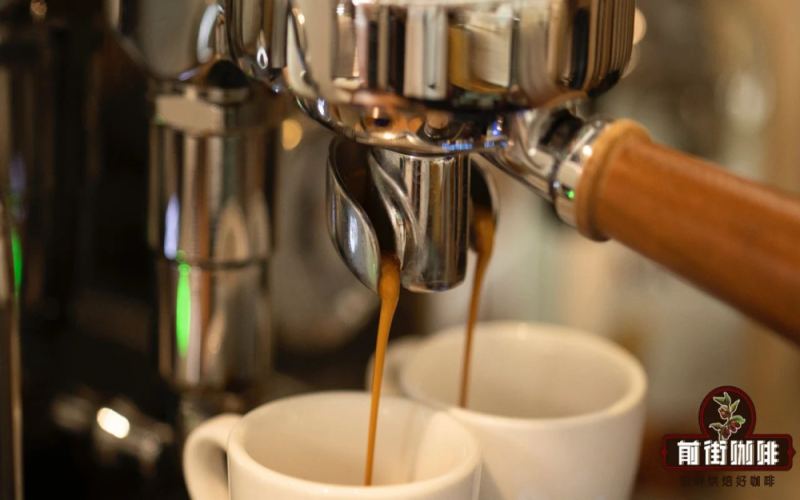
Espresso Crema | What Is Crema in Espresso? Does Crema Affect the Flavor and Mouthfeel of Espresso?
A deep understanding of the essence of crema will be of great help to baristas in making a delicious espresso. Today, the instructor of the Chongqing Barista Coffee Training Course will give you a detailed analysis of crema to help you understand espresso and improve your coffee-making skills. In searching for a cup that is not bitter and has excellent flavor, a rich [more…]
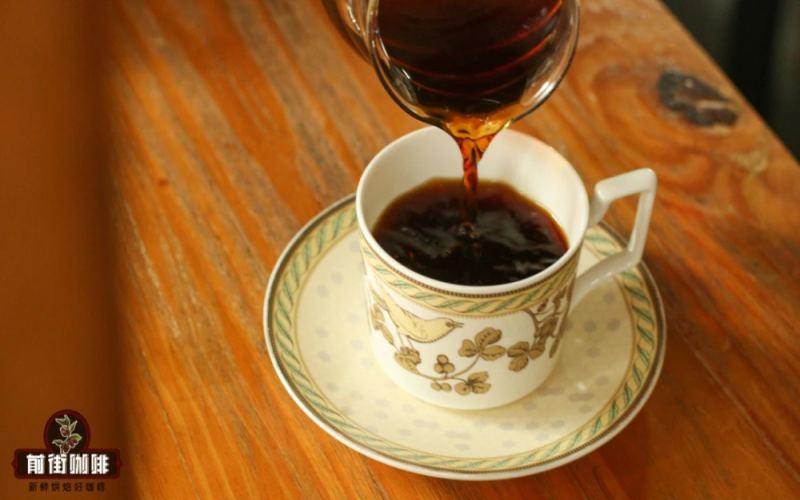
Rich-Bodied Coffee Beans Recommendation | What Does "Body" Mean in Pour-Over Coffee? How to Brew Coffee with a Rich Body? Which Hand-Ground Coffee Beans Have a Noticeable Sweet Aftertaste?
When evaluating whether a cup of coffee is good, Front Street believes that in addition to its flavor evaluation, we should also pay attention to its mouthfeel. Flavor mainly "serves" our sense of taste and smell, while mouthfeel "serves" our sense of touch. This texture is actually what we call the coffee's Body. When evaluating a cup of coffee's Body [more…]
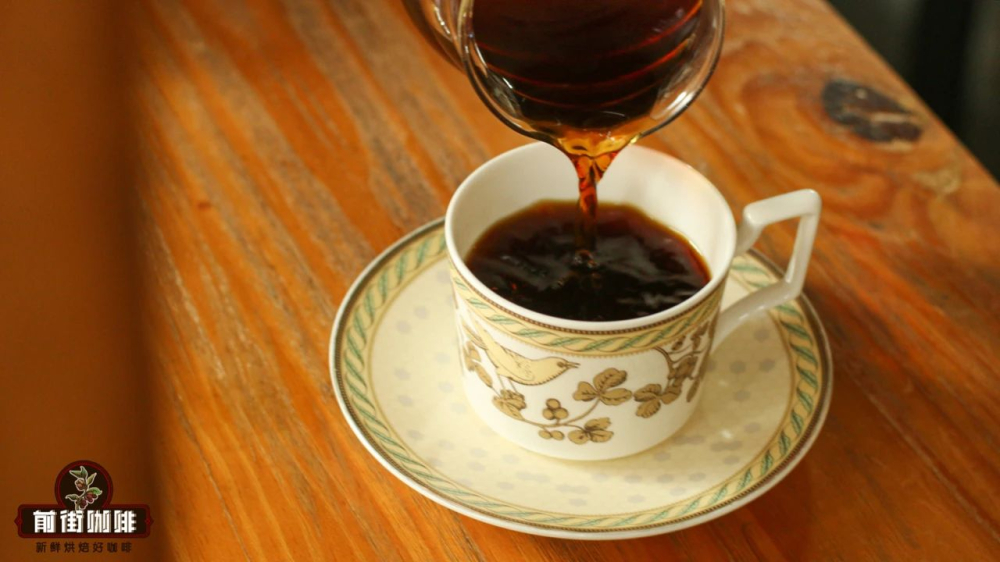
Pour-over black coffee drinking method | What is the best temperature for tasting coffee? Is there a big difference in coffee flavor at different temperatures? Can pour-over coffee be reheated after it cools down?
The saying "coffee should be drunk while it's hot" is something people often keep on their lips, and not without reason! Front Street Coffee remembers a coffee friend describing coffee after it had gone cold like this: "After one sip my head hurt so much, that bitter/sour + woody taste lingered in my mouth and wouldn't go away, and it made me withdraw for a long time~" Hot coffee left to cool [more…]
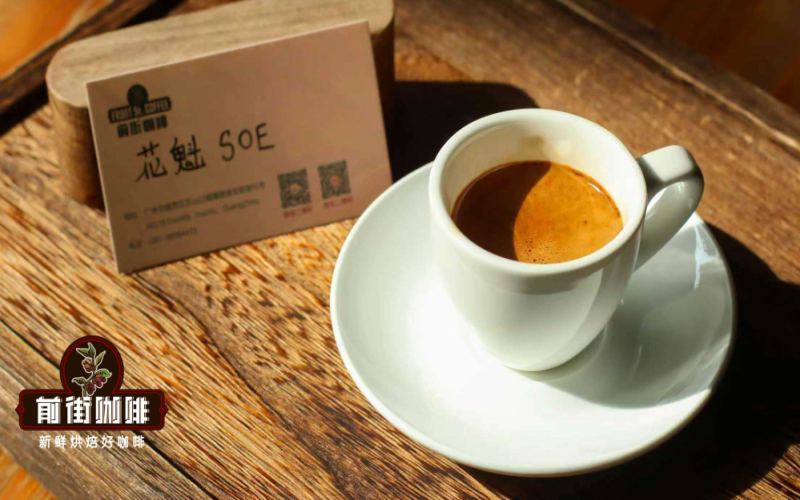
Commercial SOE Coffee Bean Recommendations | Comparing Crema, Oil, Flavor, and Mouthfeel of Yirgacheffe, Mandheling, and Brazil Coffee Beans as SOE Single-Origin Espresso
After the concept of "specialty coffee" emerged, the unique flavors of various regions have become increasingly familiar to coffee connoisseurs, and SOE has also become increasingly popular in the coffee market. So how do you choose the right SOE coffee beans? SOE SOE stands for "Single Origin Espresso" [more…]
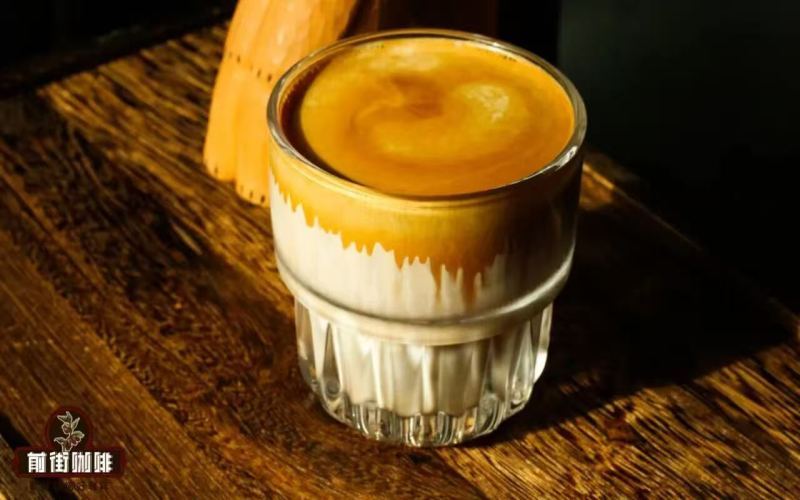
How to Make a Delicious Dirty: The Trio of Bean Selection, Milk, and Temperature
Dirty (dirty coffee) has been a perennial staple on café menus in recent years: hot espresso slowly sinks into iced milk, without stirring, and you drink it from top to bottom, so that in a single sip you get the alternation of hot and cold and the layering of milk and coffee. It looks simple, but between a delicious one and a mediocre one lies the gap of bean selection and details. The principle of Dirty: why [more…]

Bialetti Moka Pot: Brewing Rich Crema by Roast Level
Coffee brewed in a Bialetti moka pot shows a thin sheen of oil on the surface, and when you sip it you can get a thickness close to espresso, but it will not form the kind of stable crema that an espresso machine produces. If you want this oily mouthfeel to be more pronounced, choosing the right beans is more effective than simply increasing the heat, as the roast level directly affects the coffee's oil content and expansion. [more…]

From Surfactants to Foam Stability: A Beginner's Guide to Latte Art and the Principles of Fluid Dynamics
Latte art is a romantic expression of a barista's skill, with white milk foam blooming into heart or leaf patterns on the surface of dark brown espresso. Latte art is divided into two types: free-pour latte art and etched latte art created after pouring. The wonder of the former lies in the pattern forming simultaneously with the pour, while the latter offers a wider range of designs because the stable foam allows for leisurely drawing. From a physics perspective, the core of latte art lies in surfactants—molecules that possess both hydrophilic and hydrophobic groups, capable of stabilizing the interface between air and liquid to form lasting foam. Milk proteins and coffee lipids act together as surfactants, enabling the two micron-scale foams to remain clearly separated for a long time after mixing, thereby allowing the pattern to persist. This article will guide you from the basic principles of surfactants to understand espresso's crema, the formation of hot milk foam, and why foam mixing rather than liquid mixing is the key to successful latte art, while also revealing the widespread applications of surfactants in daily life and industry. [more…]

Moka Pot Tutorial | What Is a Moka Pot? What Is the Coffee Extraction Principle of a Moka Pot? What Grind Size Should Be Used for Moka Pot Coffee? Which Coffee Beans Should Be Used for Making Americano with a Moka Pot?
People's love for coffee nowadays goes beyond pour-over; more and more, they're pursuing making espresso at home. You'll notice that many friends go to a café and directly order a latte or cappuccino and other espresso drinks, but the friends who understand coffee better might order a single-origin specialty coffee. [more…]